
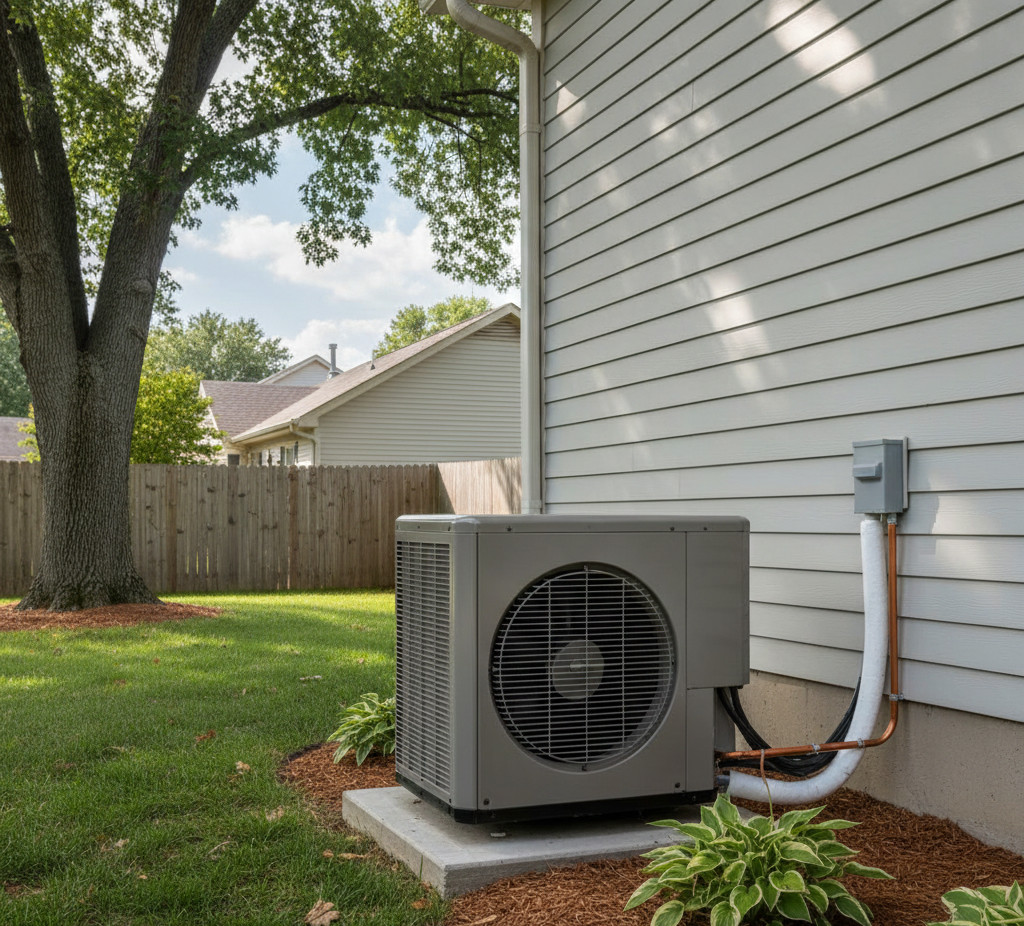
As temperatures climb and indoor spaces start feeling a little too warm for comfort, summer becomes the moment many homeowners decide it’s time to install a new heat pump. It’s a practical decision, especially since a modern system keeps your home cool through the hotter months and warm again when winter returns. Choosing the right model, however, involves more thought than simply picking the first unit that looks promising. Placement, layout and system type can all affect how well your heat pump performs.
Before you commit, it helps to understand how different options work and which setups suit particular spaces. To make the process straightforward, we’ve outlined the essentials for selecting and positioning high wall units, floor consoles and ceiling cassette heat pumps so you can make a confident, informed choice.
What To Think About Before Installing a Heat Pump in Summer
Before rushing into a summer installation, it’s worth taking a moment to consider how your home behaves when the temperatures rise. Every property has its own quirks, and understanding them helps you choose a system that actually works with your space rather than against it. Start by noticing which rooms heat up fastest and at what times of day, because those areas often benefit from stronger or better-placed cooling. It’s also useful to think about airflow since a heat pump performs best when it’s not blocked by furniture or awkward architecture.
Noise is another factor, especially if you’re sensitive to background sound or you work from home. While modern units are impressively quiet, some placements manage noise better than others. And of course, there’s the long-term view. The heat pump you install for summer needs to keep pace in winter too, so choosing something adaptable is key. Budget matters as well, but investing in the right setup usually pays off through long-term efficiency rather than quick compromises that cost more down the line.
Choosing a High-Wall-Mounted Heat Pump
A high-wall heat pump remains one of the most popular all-around options because it offers powerful airflow without taking up floor space. Its elevated position helps the system distribute cool or warm air efficiently, making it suitable for bedrooms, living areas and almost any room needing dependable climate control. A wall-mounted air conditioner is particularly useful in homes where furniture placement varies because it stays out of the way while still delivering strong circulation.
Key advantages:
- Strong, efficient airflow from an elevated position
- Quick cooling in summer and reliable heating in winter
- Minimal impact on furniture layouts
- Lower running costs thanks to inverter technology
- Quiet operation suitable for sleep and work environments
Choosing a Ceiling Cassette Heat Pump
A ceiling cassette heat pump suits homes where wall space is limited or where a clean, built-in look is preferred. Because the unit sits within the ceiling cavity, it leaves the room feeling open while still delivering steady, even airflow. Multi-directional air distribution helps avoid those warm corners and cool patches that can linger in larger or open-plan rooms. This setup works especially well in spaces with higher ceilings, where a wall unit might struggle to circulate air effectively. Once installed, the system operates quietly and unobtrusively, making it a dependable option for anyone wanting strong performance without drawing attention to the equipment.
Key advantages:
- Multi-directional airflow for consistent temperatures
- Sleek, low-profile appearance
- Quiet operation that blends into daily life
- Frees up wall space for layouts with lots of windows or artwork
- Effective for large living rooms and high-use spaces
Choosing a Floor-Mounted Heat Pump
A floor-mounted heat pump is a practical choice when high-wall placement is difficult or when the room naturally benefits from low-level airflow. These units sit close to the ground, which gives them the advantage of delivering quick, noticeable warmth in winter while still providing effective cooling in summer. They work well in rooms with long stretches of windows, angled ceilings or architectural features that restrict wall mounting. Many homeowners appreciate the compact design because it can be recessed or surface-mounted, depending on the space.
Key advantages:
- Quick heating due to low placement
- Flexible installation, including recessed options
- Quiet, steady performance throughout the year
- Compact design that blends naturally with furniture lines
Ready to Choose the Right Heat Pump for Summer?
If you’re weighing up your options, the good news is that there’s a heat pump style to suit just about every layout and preference. The key is matching the right system to the way your home naturally behaves, which is something our team works with every day. Air Conditioning Group is here to make the process straightforward, whether you’re comparing models or deciding where a unit should sit for the best performance.
If you’d like some guidance or a clear idea of pricing, feel free to reach out to us. We’re always happy to help you find a setup that keeps your home comfortable all year round.
Heat Pump Placement FAQs
Are ceiling cassette heat pumps good for open-plan homes?
Yes, a ceiling cassette heat pump distributes airflow evenly, making it well-suited to open-plan living areas.
What heat pump is best if I have lots of windows?
A floor-mounted heat pump is ideal for rooms where high wall placement is limited by window layout.
Will a ceiling cassette heat pump work if my ceiling cavity is shallow?
A ceiling cassette heat pump needs adequate cavity depth, so an assessment is recommended before installation.
Which heat pump type cools fastest in summer?
A high-wall heat pump often cools quickly because its elevated position allows strong, immediate airflow across the room.

Leave A Comment