
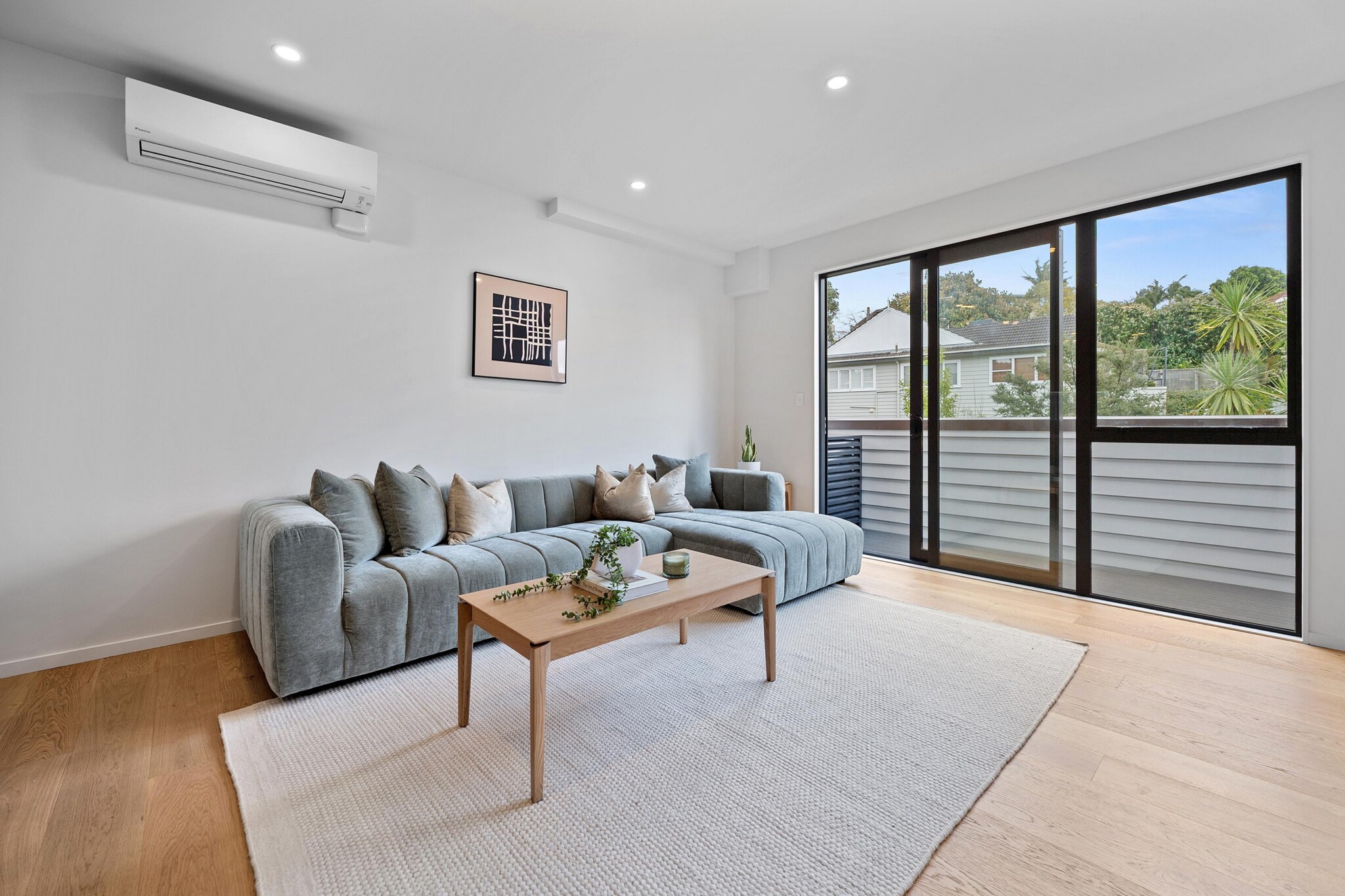
If your heat pump only ever runs in winter, you’re using half of what it can do. The same unit that warms your lounge in July can cool it in January, using the equipment already on your wall or in your ceiling.
How One Unit Manages Both Heating & Cooling
A heat pump moves heat rather than creating it, and a small component called a reversing valve decides which direction that heat travels.
| Mode | What the valve does | Result |
|---|---|---|
| Heating | Routes refrigerant through the outdoor unit first, then indoors | Warmth drawn from outside air is released into the room |
| Cooling | Reverses the flow | Heat is absorbed from inside your home and carried back outside |
Making the Switch
- mode button cycles between a sun icon (heating) and a snowflake (cooling), often alongside fan-only and auto settings
- Auto mode lets the unit decide based on room temperature. Convenient day-to-day, but it can swap between heating and cooling more than you’d expect on a mild day
- Manual mode gives you more control over which one is running
Recommended temperatures, per the Energy Efficiency and Conservation Authority when using aircon in summer:
| Setting | Recommendation |
|---|---|
| Cooling, daytime | 24°C minimum – on cooling mode |
| Cooling, overnight | 20°C is a reasonable target for comfortable sleep |
Both are higher than most people assume. Every degree lower than necessary adds to the running cost without much extra comfort.
Tips To Get Ready Before You Switch
Clean the filters
Consumer NZ recommends vacuuming heat pump filters with a brush attachment: at least once a year for occasional use, or up to four times a year if the unit runs through both summer and winter. A clogged filter is one reason a heat pump might seem to be cooling weakly.
Clear the outdoor unit
Leaves, plants, and general debris restrict airflow and make the whole system work harder to hit the same temperature.
Check the basics before booking a callout
If the unit is switching to cooling but blowing warm or barely cool air, a dirty filter or blocked outdoor unit is the first thing to rule out before assuming the unit is broken.
One Mechanism, Every Style
Single room, high wall, floor mounted, ceiling cassette, multi-split and ducted heat pumps from Daikin, Mitsubishi Electric and Panasonic; the ranges we install all heat and cool the same way.
A ducted system cools a whole home the same way it heats one. If some rooms run warmer than others once summer hits, that’s usually a sign to look at zone control instead of running the whole system harder to compensate.

Leave A Comment