
It’s a familiar Kiwi winter ritual: you pull back the curtains on a July morning and the windows are streaming. Towels get sacrificed to windowsills, a musty smell creeps into the wardrobe, and by August there’s a suspicious black speckle on the bathroom ceiling. Condensation isn’t just an annoyance — it’s the visible sign of a damp home, and damp homes are harder to heat, harder on your health and harder on the house itself. The good news is that condensation is very fixable once you understand what drives it. Here’s how to stop condensation in your NZ home this winter, and where heating, dehumidifying and ventilation each fit in.
Why New Zealand homes get so damp in winter
Dampness is close to a national problem. Stats NZ’s census figures found that more than one in five New Zealand homes were damp some or all of the time, and that visible mould larger than an A4 sheet of paper was always present in around 4 percent of homes and sometimes present in a further 13 percent. Renters fared roughly twice as badly as owner-occupiers.
The physics is simple. Warm air can hold far more water vapour than cold air. In winter, the moisture your household produces stays trapped inside closed-up rooms, and the moment that humid air touches a cold surface — single glazing, an aluminium frame, an uninsulated corner of a south-facing bedroom — it cools below its “dew point” and the water condenses out. Cold house plus moist air equals wet windows, every single morning.
Where all that moisture comes from
You don’t need a leak to have a damp house — everyday living generates a surprising amount of water vapour. BRANZ estimates that in an average four-person home, daily activities can add up to more than 20 litres of moisture per day. Some typical contributors:
| Activity | Typical moisture added |
|---|---|
| Breathing and perspiration (household) | Around 3 litres per day |
| Showers and baths | Roughly 1.5 litres per person, per shower |
| Drying clothes indoors (unvented) | Up to 5 litres per load |
| Washing machine cycle | Around 0.5 litres per load |
| Cooking, dishes, pot plants, unflued gas heaters | Add further litres on top, day after day |
Source: BRANZ guidance on dealing with internal moisture. Figures are indicative and vary by household.
That’s a couple of buckets of water released into your home every day. If it isn’t heated away and ventilated out, it ends up on your windows and in your walls, carpets and curtains.
Step one: heat your home properly — warm air is drier air
Heating and moisture control are two sides of the same coin. The World Health Organization recommends a minimum indoor temperature of 18°C, and New Zealand’s healthy homes heating standard uses the same figure: rental living rooms must have fixed heating capable of maintaining at least 18°C. Below that, cold surfaces multiply and condensation thrives. Because warmer air holds more moisture as vapour, consistent heating keeps water in the air — and off your windows and walls — until ventilation can carry it outside.
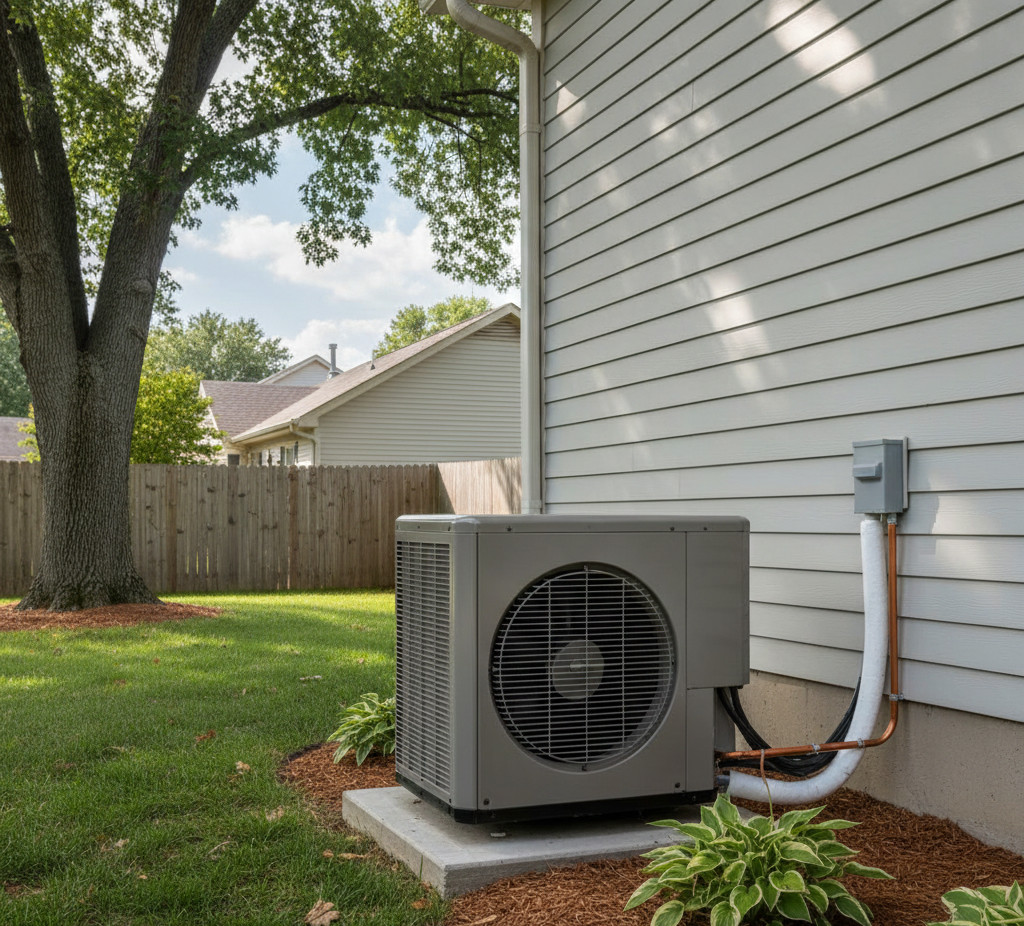
Consistency matters more than blasting heat for an hour. A modern heat pump is the cheapest way to run steady, thermostat-controlled warmth through the coldest months. If parts of your home never really warm up, it may be a sizing or coverage problem — our team can advise on heat pump installation for single rooms through to ducted whole-home systems. And if your existing unit is more than 10–15 years old and struggling, a heat pump replacement will usually heat better for noticeably less power.
Does a heat pump dehumidify? Heating mode vs dry mode
This is one of the most common questions we get in winter, and the answer trips a lot of people up: a heat pump does not remove moisture while it’s heating. Dehumidifying happens when moist air passes over a cold coil and the water condenses out — which is what happens in cooling and dry modes, not heating mode.
Dry mode is essentially a gentle, humidity-focused version of cooling. It’s brilliant on those muggy, post-rain Auckland days when the room temperature is fine but the air feels heavy. In the middle of winter, though, running dry mode will cool your house down — the opposite of what you want. The winter recipe is: heat pump on heating mode for steady warmth, ventilation to carry moisture out, and a standalone dehumidifier for stubborn problem rooms if needed.
One more winter essential: clean filters. A heat pump clogged with dust moves less air, heats less effectively and costs more to run. If yours hasn’t been serviced in a couple of years, book a heat pump service before the coldest weeks arrive.
Step two: ventilate — the long-term fix for condensation
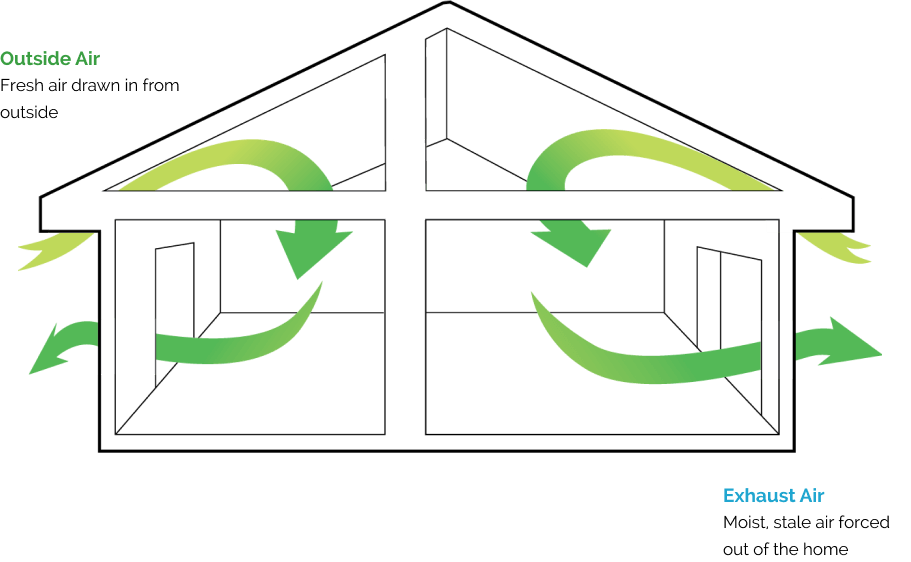
Heating keeps moisture in the air; ventilation is what actually gets it out of the house. Opening windows for 10–15 minutes a day helps, but in winter most of us simply don’t — it’s cold, it’s raining, and the moisture builds right back up overnight.
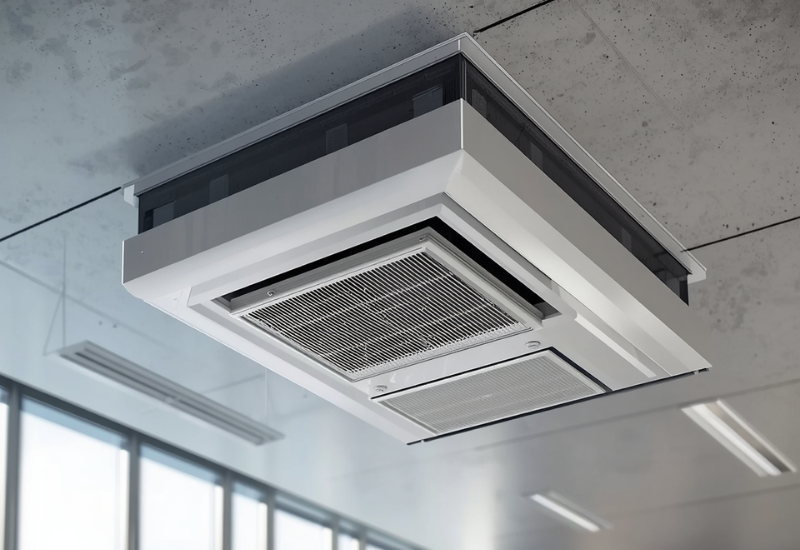
That’s where a home ventilation system earns its keep. Positive-pressure systems (like SmartVent) push filtered, drier air into the home and force stale, moist air out through gaps and vents. Balanced heat-recovery systems (like Mitsubishi Lossnay) go a step further, exchanging stale inside air with fresh outside air while recovering most of the heat you’ve already paid for. Either way, the result is the same: lower indoor humidity, dramatically less condensation, and air that feels fresher to breathe — without leaving windows open in July.
Quick targets for a dry, healthy home this winter
| What to aim for | Target | Why it matters |
|---|---|---|
| Living area temperature | At least 18°C (20°C+ for young children or elderly) | WHO minimum for healthy indoor living; fewer cold surfaces for condensation |
| Indoor relative humidity | Roughly 40–60% | Below ~60% mould struggles to grow; comfortable and healthy range |
| Daily airing | 10–15 minutes of cross-ventilation (or a ventilation system) | Flushes out the 20+ litres of moisture a household produces |
| Visible mould | Deal with it promptly and fix the moisture source | Mould larger than an A4 page is a healthy homes red flag |
Seven easy habits that reduce condensation
- Put lids on pots and use the rangehood every time you cook.
- Run the bathroom extractor fan during showers and for 10 minutes afterwards, with the door closed.
- Dry washing outside or use a vented/condenser dryer — an unvented load can release up to 5 litres of water indoors.
- Air the house briefly each day, ideally when it’s driest outside (late morning).
- Wipe down wet windows in the morning so the water doesn’t evaporate back into the room.
- Keep furniture and curtains slightly clear of cold external walls so air can circulate.
- Heat bedrooms at least a little — totally unheated rooms become moisture magnets for the whole house.
Frequently asked questions
Why do my windows drip every morning in winter?
Overnight, the temperature of your glass drops while the moisture from breathing stays in the air. When the humid indoor air touches the cold glass, it condenses — just like a cold drink sweating on a summer day. Warmer rooms, drier air and better-insulated windows all reduce it.
Should I use heating mode or dry mode in winter?
Heating mode. Dry mode dehumidifies by cooling, so it will chill your home in July. Use heating mode for warmth, ventilate daily to remove moisture, and save dry mode for mild, muggy days in autumn and spring.
What indoor humidity should I aim for?
Somewhere around 40–60% relative humidity is the widely recommended comfort and health range. A cheap hygrometer (under $30 from most hardware stores) tells you exactly where you stand.
Doesn’t opening windows in winter just waste heat?
A short, sharp 10–15 minute airing swaps humid air for drier air without cooling down your walls and furniture, so the room re-warms quickly — and drier air is cheaper to heat than damp air. A heat-recovery ventilation system gives you the same result automatically, keeping most of the warmth.
Will a ventilation system stop condensation completely?
In most homes it makes a dramatic difference, especially paired with decent heating. Severe cases — uncontrolled moisture from subfloors, leaks or chronic under-heating — may need those root causes fixed too. A home assessment will identify what’s driving the damp before you spend a dollar.
Ready for a warmer, drier winter?
If you’re fighting wet windows and musty rooms every morning, you don’t have to accept it as “just winter”. Air Conditioning Group installs and services heat pumps and home ventilation systems across Auckland, and we’re happy to recommend the right combination for your home and budget — no hard sell, just honest advice. Get in touch for a free quote or call us on 0800 224 123 and make this the winter your house finally dries out.

Leave A Comment